


FitnessHub


Leg Exercises at Gym: 8 Best Exercises for Stronger Legs
Discover the best leg exercises at the gym to strengthen your quadriceps, hamstrings, glutes and calves. Learn proper exercise techniques, muscles worked, sets and reps, and a complete leg-day workout plan for beginners and intermediate gym-goers.

Quick guide: Start with squats or leg press, add a hamstring exercise such as Romanian deadlifts or leg curls, and finish with calf raises. Choose weights that allow you to maintain good form.
Benefits of Leg Exercises at Gym
Leg exercises strengthen the lower-body muscles that help you walk, climb stairs, run, jump and maintain balance. A balanced leg workout trains the quadriceps at the front of the thighs, hamstrings at the back, glutes around the hips and calf muscles in the lower legs.
- Build muscle: Leg exercises at the gym help develop stronger and more muscular legs by targeting the quadriceps, hamstrings, glutes, and calves. Exercises such as squats, leg presses, lunges, and calf raises provide resistance that stimulates muscle growth. Consistent training, proper technique, sufficient protein, and recovery can help improve lower-body muscle development over time.
- Improve strength: Regular leg workouts help improve lower-body strength, making everyday activities easier and more comfortable. Strong leg muscles support movements such as walking, climbing stairs, standing up from a chair, and lifting objects. Exercises like squats, deadlifts, and leg presses gradually build strength when performed with proper form and suitable resistance.
- Support balance: Leg exercises can improve balance, coordination, and stability by strengthening the muscles responsible for controlling body movements. Single-leg exercises, including lunges, step-ups, and single-leg Romanian deadlifts, challenge the body to maintain control while moving. Better balance can support daily activities, walking on uneven surfaces, and performing sports movements with greater confidence..
- Improve sports performance: Strong legs play an important role in sports that involve running, jumping, sprinting, and changing direction. Exercises such as squats, lunges, calf raises, and step-ups help develop lower-body strength and muscular control. When combined with sport-specific practice, appropriate conditioning, and recovery, leg training can support athletic performance in football, cricket, basketball, and other physical activities.
- Train the whole body: Compound leg exercises, such as squats and deadlifts, involve several muscle groups working together. Along with the quadriceps, hamstrings, glutes, and calves, these movements require core muscles to help stabilize the torso. This coordinated effort makes compound exercises useful for developing overall strength, body control, and movement efficiency when performed with correct technique.
8 Best Leg Exercises at Gym
These gym leg exercises target different lower-body muscles. Start with manageable weights, warm up before training and increase resistance gradually as your technique improves.
1. Barbell Squat

The barbell squat is one of the most popular leg exercises in the gym. In this exercise, you place a barbell across your upper back, bend your knees and hips to lower your body, and then stand back up. It mainly works your quadriceps, glutes, and hamstrings while your core helps keep your body stable. Regular practice can help you build stronger legs, develop muscle, and improve your overall strength. These benefits are also useful in everyday activities, such as climbing stairs, sitting down, and standing up. Always start with a manageable weight and focus on proper form.
Muscles worked: Quadriceps, glutes and adductors.
How to perform: Position your feet around shoulder-width apart. Brace your core, bend your hips and knees, and lower your body under control. Keep your feet planted and knees tracking in the direction of your toes. Push through your feet to return to standing.
Sets and reps: 3 sets × 6–10 reps.
Daily-life benefit: Squat strength supports movements such as sitting down and standing up.
2. Leg Press

The leg press is a popular gym exercise that helps strengthen and build the muscles of your lower body. To perform it, sit on the machine with your back supported, place your feet on the platform, and push the weight away by straightening your legs. Then slowly bend your knees to return to the starting position. This exercise mainly targets the quadriceps, glutes, and hamstrings. It is useful for people who want to develop stronger, more muscular legs. Start with a comfortable weight, keep your back against the seat, and avoid locking your knees at the top.
Muscles worked: Quadriceps and glutes, with hamstrings assisting.
How to perform: Sit with your back supported and feet flat on the platform. Lower the weight slowly without allowing your lower back or hips to lift from the seat. Press the platform away without forcefully locking your knees.
Sets and reps: 3 sets × 10–12 reps.
Daily-life benefit: Trains the muscles used when pushing yourself up from a seated position.
3. Romanian Deadlift (RDL)
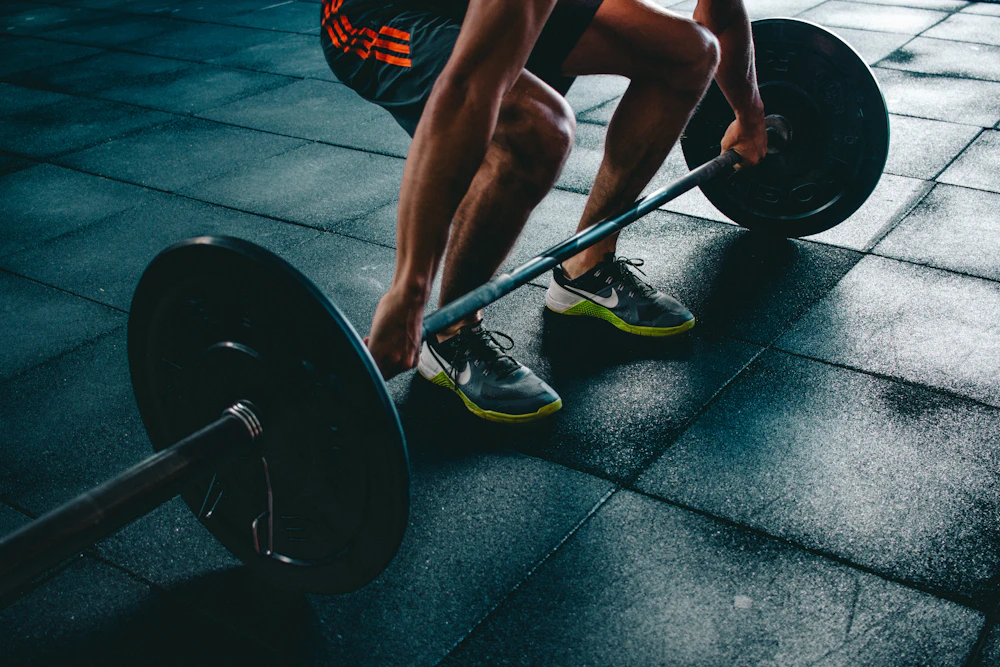
The Romanian deadlift, commonly known as the RDL, is a popular gym exercise that helps strengthen the back of your legs and hips. To perform it, hold a barbell or dumbbells in front of your thighs, keep your back straight, and push your hips backward while lowering the weight along your legs. Then drive your hips forward to return to the starting position. The exercise mainly targets the hamstrings and glutes while engaging the lower back and core for stability. It can help improve hip strength and make everyday movements, such as bending down and lifting objects, easier. Always use a manageable weight and maintain proper form.
Muscles worked: Hamstrings and glutes; back muscles stabilize your torso.
How to perform: Hold dumbbells or a barbell in front of your thighs. Keep your knees slightly bent and push your hips backwards. Lower the weight close to your legs while maintaining a neutral back. Stop when you feel a comfortable hamstring stretch, then drive your hips forward to stand.
Sets and reps: 3 sets × 8–10 reps.
Daily-life benefit: Develops hip-hinge strength used when bending to pick up objects.
4. Leg Extension
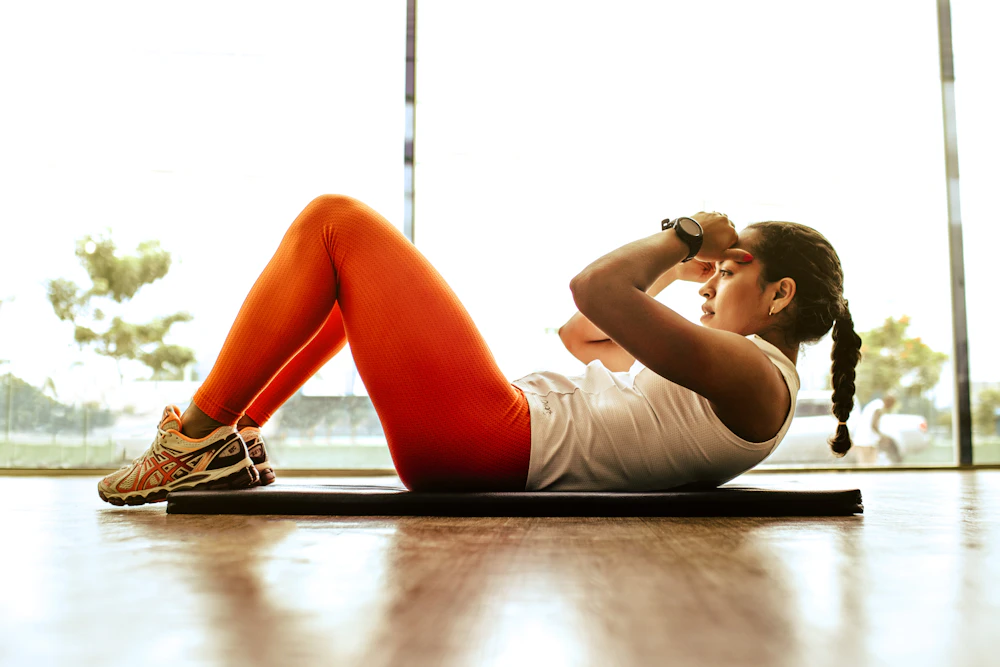
The leg extension is a simple gym exercise that focuses on strengthening the muscles at the front of your thighs. To perform it, sit on the leg extension machine, place your ankles behind the padded bar, and slowly straighten your legs to lift the weight. Hold briefly at the top, then lower the weight with control. This exercise mainly targets the quadriceps, which help you straighten your knees during everyday activities such as walking, standing up, and climbing stairs. It is also useful for building stronger, more defined thighs. Choose a comfortable weight and avoid swinging your legs to lift it.
Muscles worked: Quadriceps at the front of the thighs.
How to perform: Adjust the seat so your knees align with the machine pivot. Extend your knees smoothly, pause briefly, and lower the weight under control. Avoid swinging your body or using momentum.
Sets and reps: 2–3 sets × 10–15 reps.
Daily-life benefit: Strengthens the muscles responsible for straightening your knees.
5. Seated or Lying Leg Curl

The seated or lying leg curl is a gym exercise that targets the muscles at the back of your thighs. In the seated version, you sit on the machine and bend your knees to pull the padded roller downward. In the lying version, you lie face down and curl your heels toward your hips. Both variations mainly work the hamstrings, which help bend your knees and move your hips. Strong hamstrings support everyday activities such as walking, climbing stairs, and bending your legs. To get the best results, use a manageable weight, move slowly, and avoid jerking the machine.
Muscles worked: Hamstrings.
How to perform: Adjust the machine pads for a comfortable fit. Keep your hips supported and curl the pad towards your body. Pause briefly and return slowly to the starting position.
Sets and reps: 3 sets × 10–15 reps.
Daily-life benefit: Trains the muscles that bend the knee and contribute to walking and running.
6. Walking Lunges
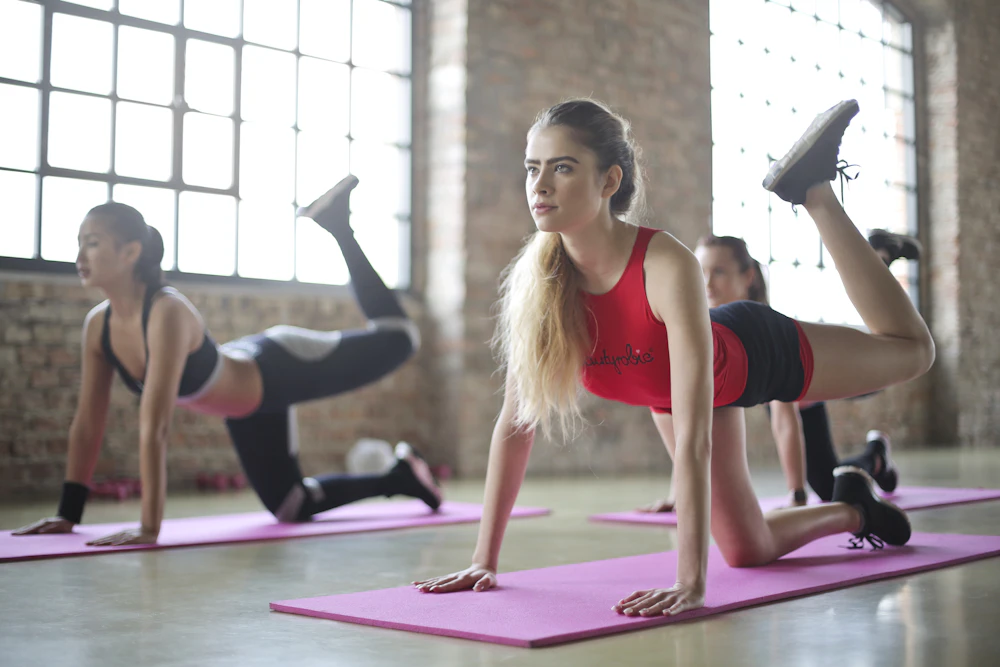
Walking lunges are a useful leg exercise that helps build strength while improving balance and coordination. To perform them, stand straight, take a step forward, and bend both knees until your body lowers toward the floor. Push through your front foot, bring your back leg forward, and repeat the movement with the opposite leg. This exercise mainly targets the quadriceps, glutes, and hamstrings while engaging the core for stability. Walking lunges can help make everyday movements, such as climbing stairs and walking uphill, easier. Start with body weight, take controlled steps, and keep your front knee aligned with your foot.
Muscles worked: Quadriceps, glutes and adductors.
How to perform: Step forward and bend both knees under control. Keep your torso steady and your front foot firmly planted. Push through the front foot to move forward with the opposite leg. Start with bodyweight if necessary.
Sets and reps: 2 sets × 8–10 reps per leg.
Daily-life benefit: Challenges balance and strength during single-leg movements.
7. Standing Calf Raise
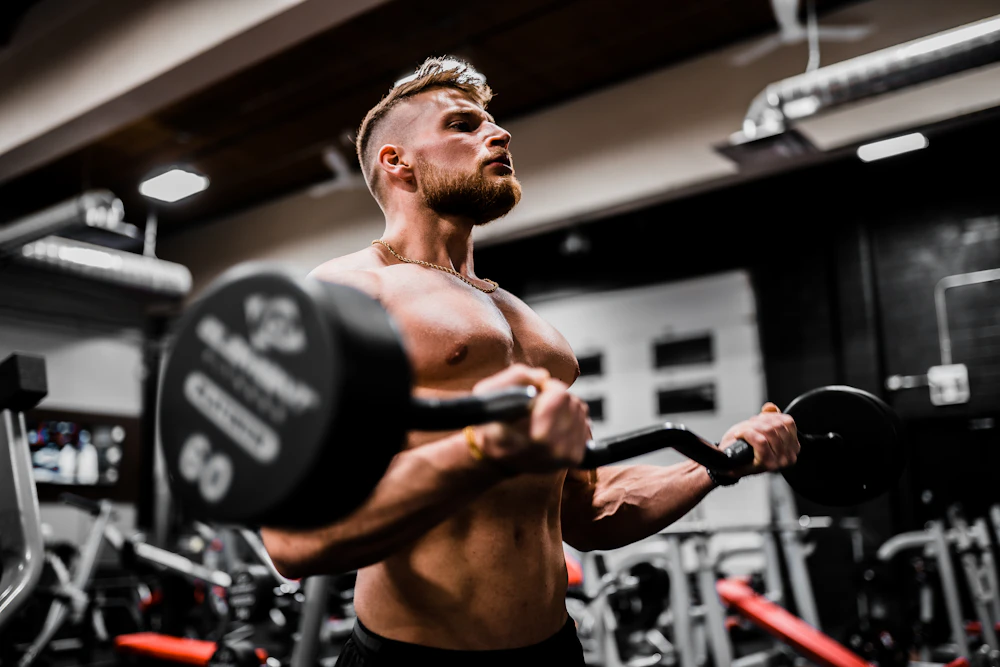
The standing calf raise is a simple exercise that helps strengthen the muscles at the back of your lower legs. To perform it, stand with your feet about hip-width apart and slowly raise your heels until you are standing on your toes. Pause briefly at the top, then lower your heels in a controlled movement. You can do this exercise using your body weight or a calf raise machine. It mainly targets the gastrocnemius muscle, with help from the soleus. Strong calf muscles support everyday activities such as walking, climbing stairs, running, and jumping. Avoid bouncing and focus on a full range of motion.
Muscles worked: Gastrocnemius and soleus calf muscles.
How to perform: Stand securely on the platform with the balls of your feet supported. Lower your heels comfortably, then rise onto your toes. Pause at the top and avoid bouncing.
Sets and reps: 3 sets × 12–20 reps.
Daily-life benefit: Calf strength supports walking, climbing stairs and pushing off the ground.
8. Bulgarian Split Squat

The Bulgarian split squat is a challenging leg exercise that works one leg at a time. To perform it, stand a short distance in front of a bench and place the top of one foot behind you on the bench. Slowly bend your front knee to lower your body, then push through your front foot to stand up again. This exercise mainly targets the quadriceps and glutes while also engaging the hamstrings and core. It helps build leg strength, improve balance, and correct strength differences between your legs. Beginners should start with body weight, maintain a comfortable stance, and focus on controlled movements.
Muscles worked: Quadriceps and glutes, with stabilizing muscles supporting balance.
How to perform: Place the top of one foot on a stable bench behind you. Position the front foot for balance, lower yourself slowly, and push through the front foot to stand. Start without weights and use support if needed.
Sets and reps: 2 sets × 8–10 reps per leg.
Daily-life benefit: Develops single-leg strength and coordination.
Complete Leg-Day Workout Plan
This sample gym leg workout covers the main lower-body muscle groups. Beginners can start with fewer sets and build up as their fitness and recovery improve.
| Exercise | Sets × Reps | Rest |
|---|---|---|
| Squat | 3 × 6–10 | 2–3 min |
| Romanian Deadlift | 3 × 8–10 | 2 min |
| Leg Press | 3 × 10–12 | 90–120 sec |
| Leg Curl | 3 × 10–15 | 60–90 sec |
| Leg Extension | 2 × 12–15 | 60–90 sec |
| Standing Calf Raise | 3 × 12–20 | 45–90 sec |
Beginner tip: You do not need to do all eight exercises in one session. Start with four or five exercises and focus on learning proper form.
Tips for Better Leg Workout Results
- Warm up: Begin with 5–10 minutes of easy activity and lighter practice sets.
- Prioritize technique: Use controlled movements instead of swinging weights.
- Progress gradually: Increase repetitions or weight when your current workload feels manageable with good form.
- Train all major muscles: Include exercises for quadriceps, hamstrings, glutes and calves.
- Recover properly: Allow adequate rest between demanding leg sessions.
- Eat balanced meals: Adequate nutrition and protein support muscle recovery and growth.
Common Leg Workout Mistakes
- Lifting too much weight before learning proper technique.
- Rushing repetitions or bouncing at the bottom of a movement.
- Allowing the knees to collapse inward during squats and lunges.
- Rounding the back during Romanian deadlifts.
- Ignoring sharp pain or persistent joint discomfort.
Safety: Stop exercising if you experience sharp pain, dizziness or unusual symptoms. If you have an injury or persistent joint pain, consult a qualified healthcare professional and seek help from a qualified trainer.
Leg Workout Video
Use this video embed for a visual workout reference. If it does not play, replace the video ID with the ID of a leg workout video you have checked and want to feature.
Frequently Asked Questions
Squats, leg presses, Romanian deadlifts, leg curls, leg extensions, lunges and calf raises are useful exercises for a balanced lower-body routine.
Four to six well-selected exercises are a practical starting point for many people. Choose movements that cover your main lower-body muscles.
One or two leg sessions per week may work well, depending on your experience, training plan and recovery.
Yes. Beginners can start with bodyweight squats, supported lunges and light machine exercises before progressing to heavier weights.
Consistent resistance training, gradual progression, balanced nutrition and sufficient recovery can help build leg muscle over time.
Conclusion
The best leg exercises at the gym combine movements for the quadriceps, hamstrings, glutes and calves. Begin with manageable weights, maintain good technique and increase the training challenge gradually. Consistency and recovery matter more than lifting the heaviest weight in the gym.
Explore more Fitness Adda guides on chest exercises, back exercises, shoulder workouts and beginner gym routines.
Disclaimer: This article is for general educational purposes and is not individualized medical advice.


